

Steve Dempsey
Owner
Steve Dempsey operates Sky Drone Solutions, a Fort Collins, Colorado provider of aerial photography, videography and drone inspection services for construction, agriculture and industrial clients. He brings 25 years in the technical, IT and business operations world, and also owns NeoTech Networks LLC, a managed IT services company.
Thermal Drone Meaning Explained for Fort Collins, CO Industries

Learn what thermal drone meaning covers, how infrared sensors work, and which Fort Collins industries use thermal drones for agriculture, construction, energy inspection, and environmental monitoring.
Solar Visual Inspection in Fort Collins: A Property Owner’s Checklist

A solar visual inspection helps Fort Collins property owners document panel damage, roof attachment issues, and electrical concerns before calling a professional. This checklist covers what to look for and when drone-based inspection adds value.
Civilian UAVs: What Fort Collins, CO Businesses Should Know Before Flying
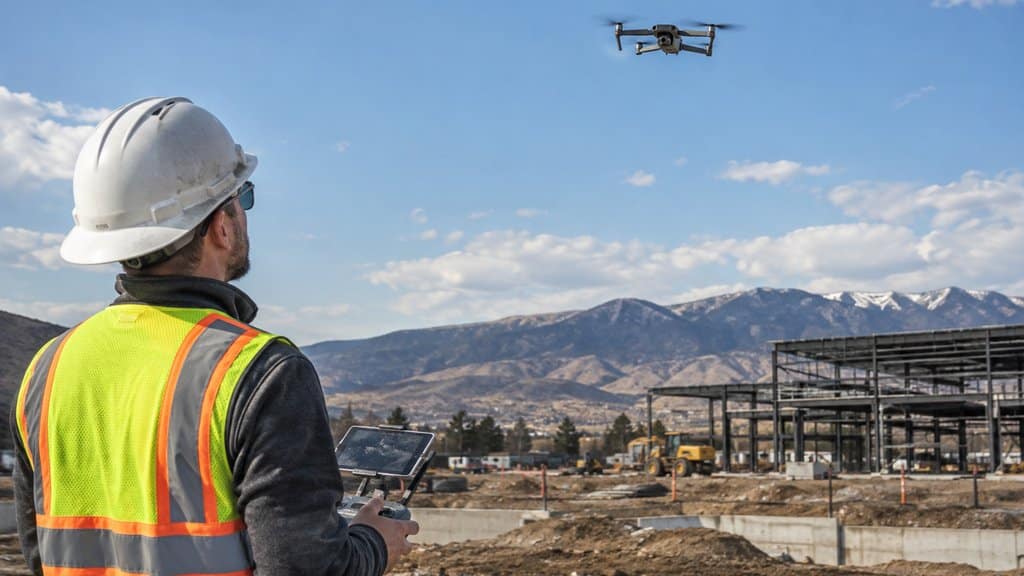
Fort Collins businesses using civilian UAVs must navigate FAA Part 107 certification, $5 per-aircraft registration, Remote ID compliance, and local city restrictions on natural areas and public lands.
Why Are Drones Dangerous? Safety Rules Fort Collins Pilots Must Follow
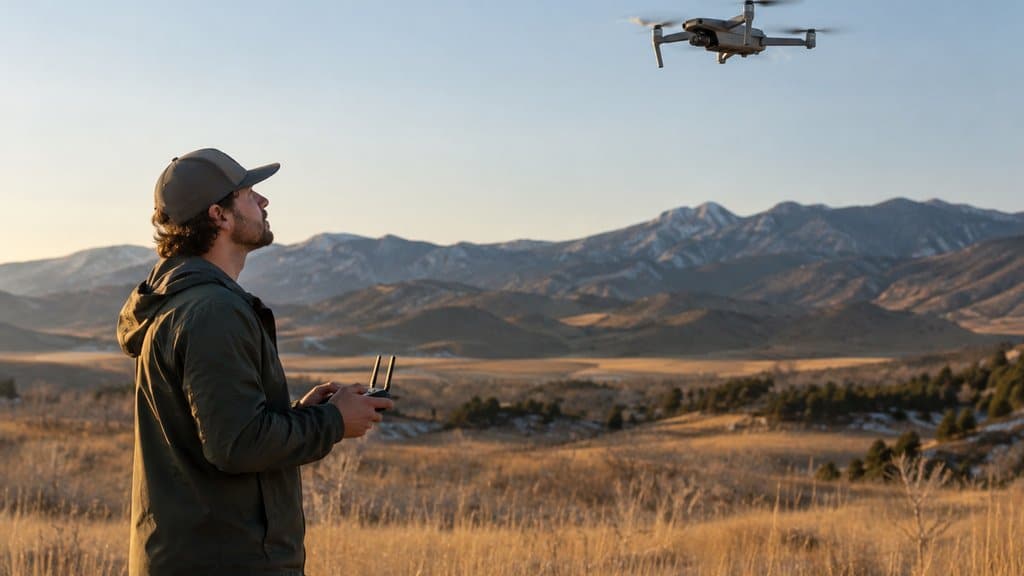
Drones offer powerful capabilities for aerial imaging and data collection, but they also carry significant risks when operators ignore safety rules. Fort Collins pilots must follow FAA registration requirements, pass the TRUST or Part 107 exams, respect Colorado privacy laws, avoid emergency scenes, and obtain permits for natural area flights.
DJI Mavic Mini Controller Won’t Charge: Troubleshooting Tips for Fort Collins Pilots
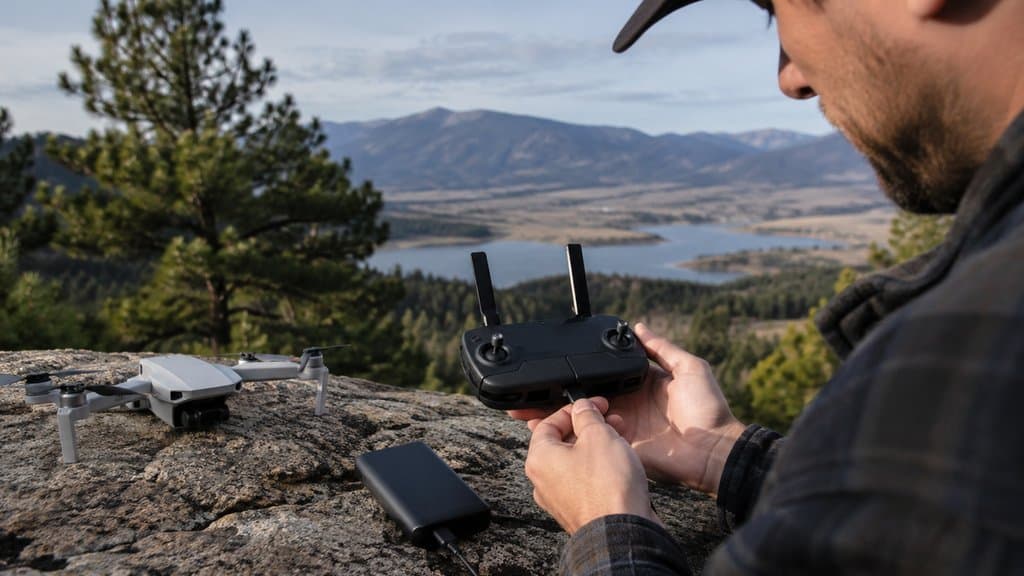
When your DJI Mavic Mini controller won’t charge, a systematic troubleshooting flowchart can save your Fort Collins flight plan. Start with the outlet, inspect the port, swap cables, and watch for hibernation before submitting a repair request.
What Fort Collins Businesses Should Know About Drone Infrastructure Inspection
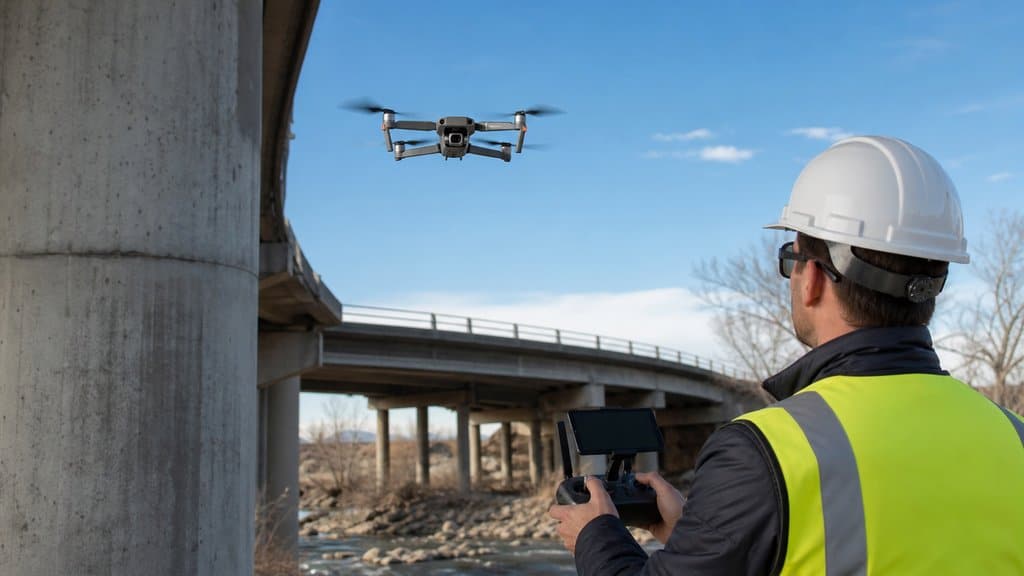
Fort Collins businesses considering drone infrastructure inspection should understand FAA Part 107 requirements, Colorado DOT guidance, cost reduction potential, and local operational readiness before hiring a provider.
Are Drones Loud? What Fort Collins Businesses Should Know Before Flying
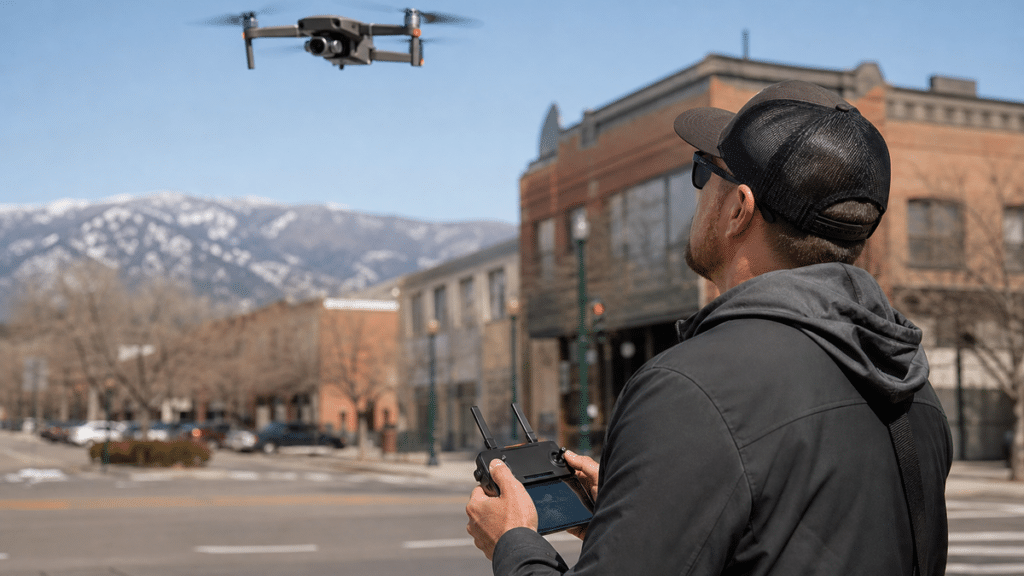
Small commercial drones produce 75 to 80 dB at close range, above federal thresholds for significant noise increase. Fort Collins businesses must factor this into flight planning alongside FAA rules and local community sound goals.
Drone Zones Explained: What Fort Collins Operators Must Know
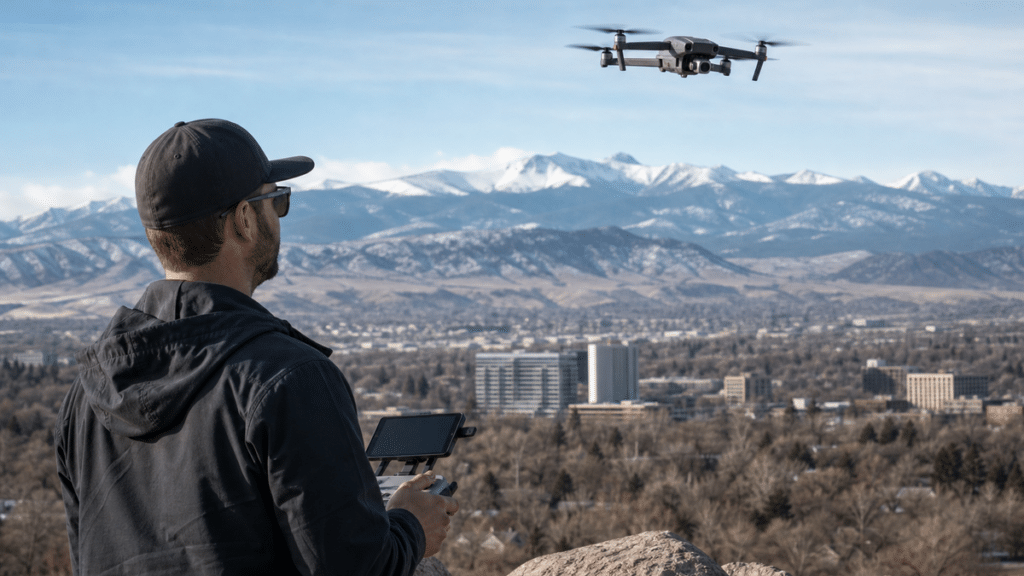
Flying a drone in Fort Collins requires understanding layered rules: FAA certification, 400-foot altitude limits, LAANC authorization near KFNL, city park bans, and Colorado privacy statutes. This guide explains every drone zone that affects recreational and commercial operators.
No-fly Zones in Fort Collins: What Every Drone Operator Must Know
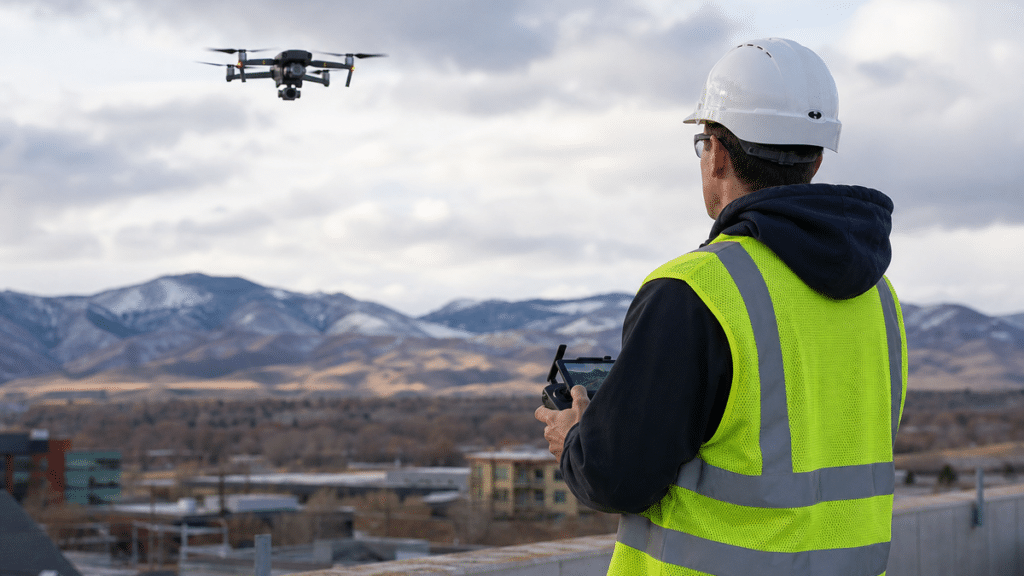
Fort Collins drone operators face overlapping federal, state, and local no-fly zone rules. This guide explains every restriction, from FAA airspace classes to Colorado State Parks to city park rules, so you can plan legal flights with confidence.
How Long Will a Drone Fly? What Fort Collins Operators Should Know
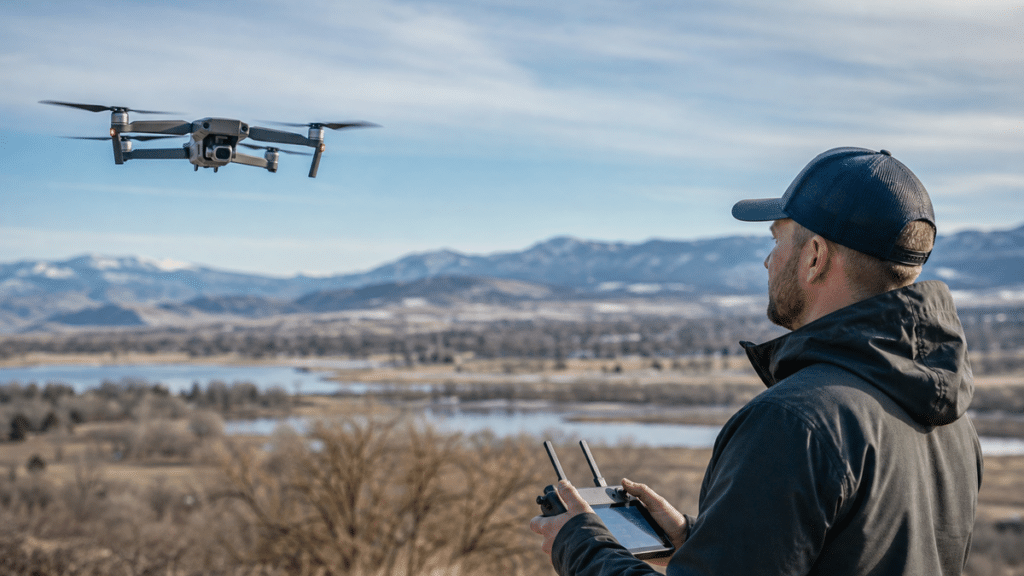
How long will a drone fly in Fort Collins conditions? Current flagship consumer drones advertise 34-51 minutes, but real-world endurance runs 15-40% lower due to wind, payload, and Colorado’s regulatory constraints.